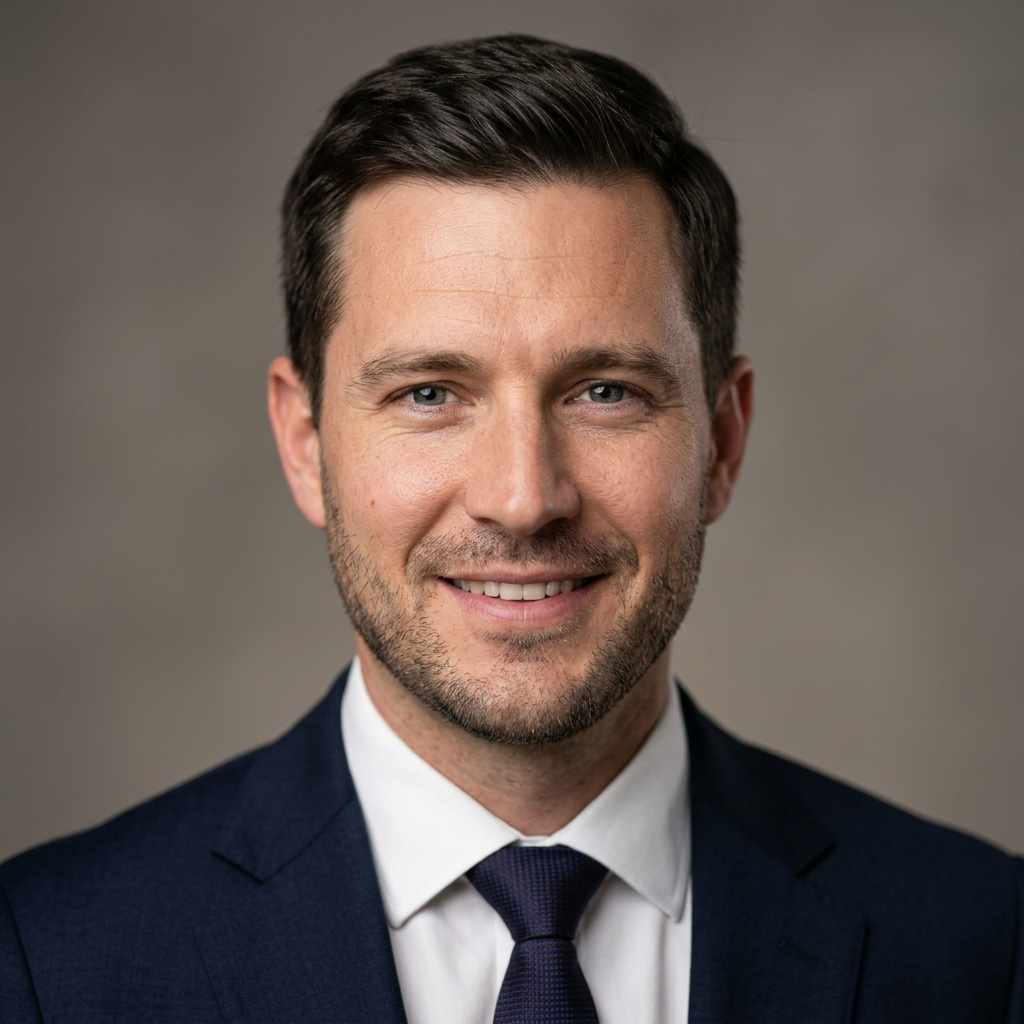
Peter Thiel: Politics, Religion, Net Worth & LGBTQ Views
Few billionaires spark as many contradictions as Peter Thiel. He co-founded PayPal, was the first outside investor in Facebook, and built a fortune that tops $10 billion — yet he also describes himself as a “sort of autistic” thinker who no longer believes democracy and freedom are compatible.
Net worth (2025): $10.2 billion (Forbes) ·
Notable co-founding: PayPal (1998), Palantir (2003) ·
First outside investment in Facebook: $500,000 in 2004 ·
Political affiliation: Conservative libertarian, Trump supporter ·
Religion: Christian (raised Lutheran, later converted to Catholicism)
Quick snapshot
- Thiel is Catholic (converted from Lutheranism) (Gay45)
- Thiel is married to Matt Danzeisen (Encyclopaedia Britannica)
- Thiel co-founded PayPal and Palantir (Encyclopaedia Britannica)
- Thiel supported Donald Trump in 2016 (The Advocate)
- Whether Thiel’s friendship with Elon Musk is currently strained
- Exact nature of Thiel’s neurodivergence (no official diagnosis)
- His full political agenda beyond libertarianism and Trump support
- 1998 — Co-founded PayPal with Max Levchin and Luke Nosek (Encyclopaedia Britannica)
- 2004 — First outside investment in Facebook ($500,000) (Encyclopaedia Britannica)
- 2016 — Spoke at the RNC as a gay Republican (The Advocate)
- Thiel continues to invest in AI, anti-aging, and seasteading ventures through Founders Fund
- His political influence may grow among conservative tech circles
The table below collects core biographical facts about Thiel, from birth to current net worth.
| Full name | Peter Andreas Thiel |
| Born | October 11, 1967 (Frankfurt, West Germany) |
| Education | Stanford University (BA, JD) |
| Net worth | $10.2 billion (Forbes, 2025) |
| Spouse | Matt Danzeisen (married 2017) |
| Notable investments | Facebook, Palantir, SpaceX, LinkedIn, Y Combinator |
What are Peter Thiel’s political views?
Libertarian roots and Trump alignment
- Thiel has described himself as a libertarian since the PayPal era, according to TIME magazine’s power biography.
- He supported Donald Trump early in the 2016 race and spoke at the Republican National Convention in July 2016 (The Advocate).
- Thiel has donated to Trump’s campaign and appeared at the RNC to endorse him.
Thiel’s critique of democracy
- TIME reported that Thiel is hostile to the idea of democracy (TIME).
- In a 2019 Hoover Institution talk, Thiel said, “I no longer believe that freedom and democracy are compatible” (Conversations with Tyler).
- He has funded seasteading projects and advocated for “exit” from democratic governance.
The pattern: Thiel pairs a classical libertarian economic stance with an anti-democratic streak that puts him far outside the mainstream of either U.S. political party.
Thiel’s political funding and intellectual influence — especially through Founders Fund and his support of Trump — make his anti-democratic views a live force in Silicon Valley, where many tech founders share his skepticism of government.
Is Peter Thiel Catholic or Protestant?
Thiel’s religious journey: Lutheran to Catholicism
- Thiel was raised Lutheran but later converted to Roman Catholicism (Gay45).
- He has said Christianity is “true” but not trendy (Conversations with Tyler).
- In a 2018 Georgetown lecture, Thiel stated, “Christianity is true.”
How Christianity shapes his worldview and investing
- Thiel has described Calvinism as potentially useful because it is anti-utopian and anti-communist (Conversations with Tyler).
- His faith influences his skepticism toward technological utopianism — he has said he considers himself “religious but not spiritual” (Conversations with Tyler).
The catch: Thiel’s Catholicism coexists with heavy investments in transhumanist ventures like anti-aging research and AI, a paradox that mirrors his broader tendency to hold contradictory positions simultaneously.
Is Peter Thiel a friend of Elon Musk?
PayPal co-founder relationship
- Thiel and Musk co-founded PayPal and stayed close for years (Encyclopaedia Britannica).
- Thiel invested in Musk’s companies, including SpaceX and Tesla.
- In 2015, Musk called Thiel “one of the smartest people I know” (interview).
Later tensions and disagreements
- Reports indicate drifting apart over political and strategic differences.
- Musk has moved toward a more populist-right stance, while Thiel has been more libertarian and anti-democracy.
- The exact state of their friendship is not publicly confirmed.
What this means: two of Silicon Valley’s most influential founders share a foundational partnership but now appear to diverge on worldviews — a rift that reflects the broader ideological split in tech.
Is Peter Thiel pro LGBTQ?
Thiel’s public stance on LGBTQ issues
- Thiel is gay and married to Matt Danzeisen (Encyclopaedia Britannica).
- At the 2016 RNC, he declared: “I am proud to be gay. I am proud to be a Republican. But most of all, I am proud to be an American” (NBC News via Facebook).
- The Advocate described him as the first person to declare his homosexuality onstage at a party convention (The Advocate).
Contradictions with his religious and political views
- Thiel has funded anti-LGBTQ political candidates, according to reporting.
- He advocates for a “diversity of viewpoints” over identity politics (The Advocate).
- His LGBTQ stance combines open identification as gay with a rejection of some LGBT political causes.
The paradox: Thiel lives as an openly gay man while supporting candidates who oppose LGBTQ rights — a tension he justifies by prioritizing ideological diversity over identity solidarity.
Is Peter Thiel neurodivergent?
Self-described ‘not normal’ thinker
- Thiel has described himself as a “sort of autistic” personality (TIME).
- No formal public diagnosis exists.
- His analytical, pattern-seeking investing style is often linked to neurodivergence in media profiles.
The implication: whether or not Thiel falls on the autism spectrum, his self-identification signals a broader acceptance of neurodivergent thinking in tech leadership — and his own success reinforces the stereotype of the “odd genius” founder.
Timeline
This timeline tracks Thiel’s major milestones from the founding of PayPal through recent controversies.
| Date | Event |
|---|---|
| 1998 | Co-founded PayPal with Max Levchin and Luke Nosek (Encyclopaedia Britannica) |
| 2004 | Made first outside investment in Facebook ($500,000) (Encyclopaedia Britannica) |
| 2005 | Co-founded Founders Fund |
| 2016 | Spoke at the Republican National Convention in support of Donald Trump (The Advocate) |
| 2018 | Thiel’s private Christian-conservative lectures at Georgetown surface |
| 2025 | Guardian reports Thiel’s off-the-record lectures on ‘antichrist’ tyrant |
What’s clear and what’s not
Confirmed facts
- Thiel is Catholic (converted from Lutheranism) (Gay45)
- Thiel is married to Matt Danzeisen (Encyclopaedia Britannica)
- Thiel co-founded PayPal and Palantir (Encyclopaedia Britannica)
- Thiel supported Donald Trump in 2016 (The Advocate)
- Thiel’s net worth exceeds $10 billion (Forbes 2025)
What’s unclear
- Whether Thiel’s friendship with Elon Musk is currently strained
- Exact nature of Thiel’s neurodivergence (no official diagnosis)
- His full political agenda beyond libertarianism and Trump support
Quotes from Thiel and his peers
Christianity is true.
Peter Thiel, Georgetown lecture, 2018
I no longer believe that freedom and democracy are compatible.
Peter Thiel, Hoover Institution, 2019 (Conversations with Tyler)
He is one of the smartest people I know.
Elon Musk, interview, 2015
The sexual orientation politics of our time are very confused.
Peter Thiel, National Review, 2020
What these pieces add up to: Thiel is a figure who uses his wealth and intellect to champion ideas that many find contradictory — gay and Christian, libertarian and anti-democratic, technologist and theological skeptic. For investors, the takeaway is that Thiel’s bets (Palantir, Facebook, Founders Fund) have been phenomenally successful.
Frequently asked questions
How did Peter Thiel make his fortune?
Thiel made his fortune primarily through co-founding PayPal (sold to eBay for $1.5 billion in 2002), being the first outside investor in Facebook (his $500,000 stake grew to billions), and co-founding the data analytics company Palantir. His venture capital firm Founders Fund has also generated substantial returns from investments in SpaceX, LinkedIn, and other tech companies.
What companies did Peter Thiel invest in besides Facebook?
Beyond Facebook, Thiel has invested in SpaceX, LinkedIn, Y Combinator, Airbnb, Stripe, and numerous other startups through Founders Fund. He also co-founded Palantir Technologies, which went public in 2020.
Why did Peter Thiel support Donald Trump?
Thiel supported Trump because he saw him as a disruptive force capable of breaking what Thiel viewed as a stagnant political establishment. He endorsed Trump early in the 2016 race and spoke at the RNC, arguing that Trump represented a necessary break from both parties’ orthodoxies.
How does Thiel’s Christianity affect his views on technology?
Thiel’s Christian faith makes him skeptical of technological utopianism — he has said that Christianity’s emphasis on human fallibility and the need for redemption tempers the unbounded optimism of Silicon Valley. This creates a tension where he invests heavily in AI and anti-aging while questioning whether technology can truly solve human problems.
Does Peter Thiel have children?
Peter Thiel does not have biological children. In 2020, reports indicated that he had discussed surrogacy and fatherhood plans, but as of 2025 no public records confirm he has children.
What is Peter Thiel’s relationship with Palantir?
Thiel co-founded Palantir in 2003 and served as chairman of the board for many years. He remains a major shareholder and advisor, though he stepped back from day-to-day management. Palantir’s government contracts align with Thiel’s interest in data analysis and national security.
Has Peter Thiel faced any major controversies?
Thiel has faced controversies including funding lawsuits against Gawker Media (which led to its bankruptcy), supporting Donald Trump, making anti-democracy statements, and funding anti-LGBTQ political candidates while being openly gay. His off-the-record lectures about an “antichrist” tyrant reported by the Guardian in 2025 also drew significant attention.
More related posts
 Richard Goodall After AGT: Win, Net Worth & Life Updates
 Who choked out Valentina Shevchenko? Full career update & net worth 2025
 Water Filter Systems for Home Ireland: Prices, Reviews
 Maison à Vendre St-Bruno: Guide for Buyers 2025
 1/3 Cup in Tbsp – 5 Tbsp + 1 Tsp Exact Conversion
 Annie Guthrie: Poet, Jeweler & Family Updates
 Mike Myers: The Actor Behind the Michael Myers Confusion
 Al-Nassr vs Al-Hazem – 4-0 Win Ronaldo Brace Full Stats