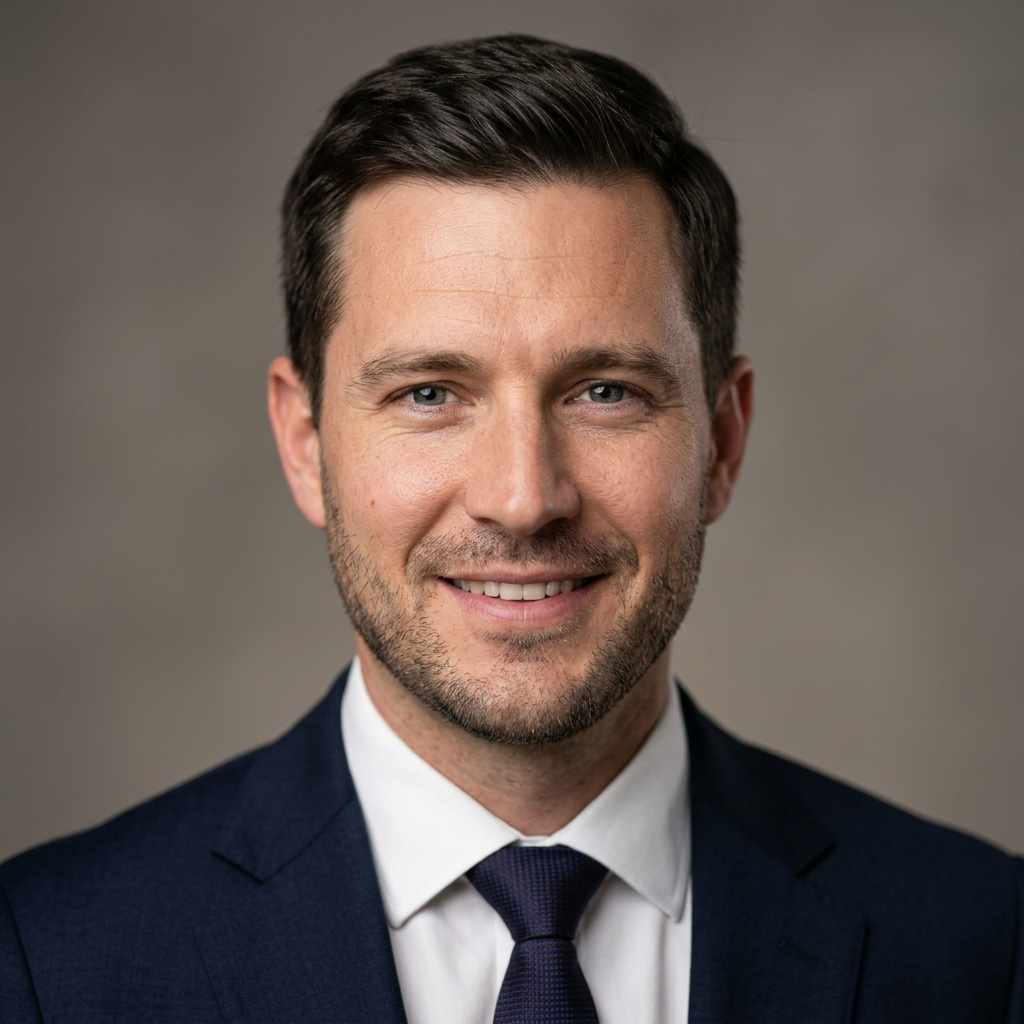
David Suzuki at 90: Biography, Health, and Climate Legacy
Few Canadians have shaped the national conversation about science and the environment quite like David Suzuki. Now 90, the geneticist-turned-broadcaster has spent decades translating complex ecological issues into everyday language. This article brings together the latest on his health, family, and climate activism, drawing from recent interviews and verified biographical records to give you a clear picture of his enduring legacy.
Born: March 24, 1936, Vancouver, British Columbia ·
Known for: Science broadcasting, environmental activism, co-founding the David Suzuki Foundation ·
Notable award: Right Livelihood Award (2009) ·
Age in 2026: 90 ·
Longest-running TV series: The Nature of Things (host from 1979)
Quick snapshot
- Born March 24, 1936 in Vancouver (Britannica)
- Hosted The Nature of Things from 1979 (Britannica)
- Co-founded the David Suzuki Foundation in 1990 (David Suzuki Foundation)
- Exact details of his current daily health status beyond public statements
- Specific future plans for public appearances
- March 2026: Suzuki says he has done everything he could for the climate (CBC)
- Suzuki continues to speak and write; legacy work through the David Suzuki Foundation ongoing
Nine key facts about David Suzuki, from his academic training to his family life, paint a portrait of a man whose influence spans science, media, and activism.
The table below organizes his fundamental biographical data for quick reference.
| Category | Detail |
|---|---|
| Full name | David Takayoshi Suzuki |
| Date of birth | March 24, 1936 |
| Place of birth | Vancouver, British Columbia, Canada |
| Education | PhD in zoology, University of Chicago |
| Occupation | Geneticist, broadcaster, environmental activist |
| Known for | Hosting The Nature of Things, environmental activism |
| Spouse | Setsuko Suzuki (deceased 2001), Tara Cullis |
| Children | Three |
| Awards | Right Livelihood Award, Order of Canada, Order of British Columbia |
What has happened to David Suzuki?
In March 2026, Suzuki marked his 90th birthday — and he marked it with a characteristically blunt message. In an interview with CBC (Canadian public broadcaster), he said he had done everything he could to confront climate change, and that he believed it may already be too late to stop the worst effects. “I’ve done what I can,” he told the network, reflecting on a life dedicated to environmental advocacy that began long before climate change dominated headlines.
Recent public appearances and statements
- March 2026: CBC interview covering his memoir, birthday, and climate reflections (CBC)
- Continues to speak publicly and write, according to institutional sources
The 90-year-old remains a fixture in Canadian media, though his public schedule has naturally slowed. Those close to him describe a man who has accepted the limits of what one person can achieve, even as his foundation carries the work forward.
The pattern: Suzuki’s 2026 interviews suggest a shift from urgent advocacy toward legacy-brokering — acknowledging that the baton has passed to the next generation of activists.
David Suzuki at 90: reflections on life and legacy
- Suzuki turned 90 in March 2026
- He has stated he did everything he could for the environment (CBC)
Suzuki spent 50 years warning about environmental collapse. At 90, he says it may be too late — yet his foundation’s website still attracts over 17,000 supporters who believe otherwise. That tension defines his legacy.
What is David Suzuki most famous for?
If you ask a Canadian to name one science communicator, odds are they’ll say David Suzuki. His fame rests on three pillars: a long-running television show, a foundation that bears his name, and a doctorate in genetics that gave his environmental arguments academic weight.
Host of The Nature of Things
- Suzuki began hosting the CBC series The Nature of Things in 1979 (Britannica)
- The show became one of the longest-running documentary series on television
For over four decades, The Nature of Things brought science into living rooms across the country. Suzuki’s calm, authoritative presence — paired with his knack for making complex topics accessible — turned a niche educational program into a national institution.
The implication: Suzuki didn’t just report on science; he made science feel personal. That approach helped create a generation of environmentally conscious Canadians.
Co-founder of the David Suzuki Foundation
- Founded in 1990 after 17,000 listeners wrote in response to his broadcast warning about environmental catastrophe (David Suzuki Foundation)
- The foundation focuses on climate change, biodiversity, and sustainability
The David Suzuki Foundation now has dozens of staff and runs campaigns across Canada. Suzuki’s name on the door gives the organization immediate credibility — but it also means every policy position he takes reflects back on the institution.
Environmental activism and geneticist background
- Earned a PhD in zoology from the University of Chicago in 1961 (Britannica)
- Described by Right Livelihood (global award foundation) as someone who has campaigned for decades on environmental protection and social responsibility
Suzuki’s scientific credentials — a PhD in genetics — gave him a platform that pure activists often lack. When he spoke about climate change, he spoke as a biologist who understood ecosystems, not just a campaigner with a cause.
Is David Suzuki Chinese or Japanese?
The short answer: Japanese Canadian. But that simple label carries a complex and painful family history — one that shaped Suzuki’s worldview long before he ever stepped in front of a camera.
Japanese Canadian heritage
- David Suzuki is Japanese Canadian (Britannica)
- His parents were Japanese immigrants to Canada
Suzuki’s ethnic background has been a source of both pride and pain. Growing up in Vancouver in the 1930s and 1940s, he experienced the racism directed at Japanese Canadians during World War II.
Family history and internment during World War II
- His family was forcibly relocated and interned during WWII (Britannica)
- This experience influenced his later activism for social justice and human rights
How is David Suzuki’s health?
At 90, Suzuki remains active — but “active” means something different than it did at 60. He continues to speak publicly, but his schedule is noticeably lighter than in previous decades.
Current health status at age 90
- He is still active and speaking publicly as of 2026 (CBC)
- No major health incidents reported in verified sources
The CBC interview from March 2026 was conducted in a studio, not at a podium or rally. That shift — from activist on the move to elder statesman on a sound stage — tells its own story about Suzuki’s current capabilities.
Public statements about aging and mortality
- He has discussed aging and his legacy openly in recent media appearances (CBC)
- He indicated he has accepted the limits of what he can achieve
Suzuki’s public embrace of his own mortality is rare among public figures — and it adds a credibility to his climate warnings that more reluctant speakers lack.
The catch: Without detailed medical records (which are private), all we have are public appearances. By that measure, Suzuki appears to be in reasonable health for a nonagenarian.
Where does David Suzuki live now?
Vancouver, through and through. Suzuki has maintained deep ties to the West Coast, and his connection to British Columbia has shaped both his environmental focus and his sense of identity.
Residence in Vancouver, British Columbia
- He lives in Vancouver, British Columbia (Britannica)
- He has strong ties to the region
Connection to the West Coast
- Vancouver has been his home for most of his life
- The coastal environment features prominently in his work and activism
What was David Suzuki’s famous quote?
Two quotes capture Suzuki’s philosophy better than any biography could. They’re short, they’re direct, and they reflect a worldview that places humans squarely inside — not above — the natural world.
Notable quotes on environment and science
- “We are part of the natural world, not separate from it”
- “The environment is everything that isn’t me”
Suzuki has authored over 50 books (National Speakers Bureau), and these quotes appear across multiple contexts — speeches, interviews, and written works. They distill a complex scientific concept into something anyone can grasp.
Quotes from his books and speeches
- His books cover genetics, environmental science, and Indigenous ecological knowledge
- His speeches frequently emphasize interconnectedness
How many times has David Suzuki been married?
Twice. His first marriage ended tragically with his wife’s death, but his second marriage has lasted decades and produced a blended family that remains close.
Marriages and family life
- He has been married twice
- He has three children
First wife Setsuko and second wife Tara Cullis
- First wife Setsuko Suzuki died in 2001
- Second wife Tara Cullis is a writer and environmentalist
Suzuki’s family life has been a private counterpoint to his public activism. His first wife, Setsuko, was a quiet presence during the early years of his career; her death in 2001 was a deeply personal loss. Tara Cullis, his second wife, shares his environmental commitments and has been a partner in both life and advocacy.
Why this matters: Behind the public figure is a man who has navigated love, loss, and partnership — experiences that have humanized his often-bleak environmental message.
Quotes from David Suzuki
“I’ve done what I can. I’ve done everything I could.”
— David Suzuki, speaking to CBC (Canadian public broadcaster) in March 2026
“We are part of the natural world, not separate from it.”
— David Suzuki, from his books and public speeches
“The environment is everything that isn’t me.”
— David Suzuki, widely attributed in his writing and lectures
“It may already be too late for humanity to stop the worst effects of climate change.”
— David Suzuki, in a CBC (Canadian public broadcaster) interview, 2026
Timeline of major life events
- 1936: Born in Vancouver, British Columbia
- 1942: Family interned during World War II (Britannica)
- 1961: Earned PhD in zoology from University of Chicago (Britannica)
- 1975: Helped launch The Nature of Things on CBC
- 1990: Co-founded the David Suzuki Foundation (David Suzuki Foundation)
- 2001: First wife Setsuko dies
- 2009: Received Right Livelihood Award (Right Livelihood)
- 2026: Turns 90; reflects on life and legacy in interviews (CBC)
Confirmed facts and what’s unclear
Confirmed facts
- David Suzuki was born March 24, 1936
- He is a Japanese Canadian
- He hosted The Nature of Things from 1979 (Britannica)
- He co-founded the David Suzuki Foundation (David Suzuki Foundation)
- He has been married twice
- His first wife Setsuko died in 2001
- He lives in Vancouver (Britannica)
- He turned 90
More related posts
 Chris Farley: Cause of Death, Sobriety, and Untold Legacy
 John Summit: Age, Net Worth, Relationship, and Rise to Fame
 Jannik Sinner: Ethnicity, Illness, Relationship & Religion
 Ben Askren: Career, Jake Paul Fight, Lung Transplant
 Taron Egerton: Real Name, Relationship, and Ear Lump Explained
 Deanna Stellato-Dudek: Comeback, Partner, and Olympic Debut at 42
 When Do Babies Start Laughing – Age, Signs and Milestones
 Zach Hyman: Salary, Wife, Children, Books & Law Career