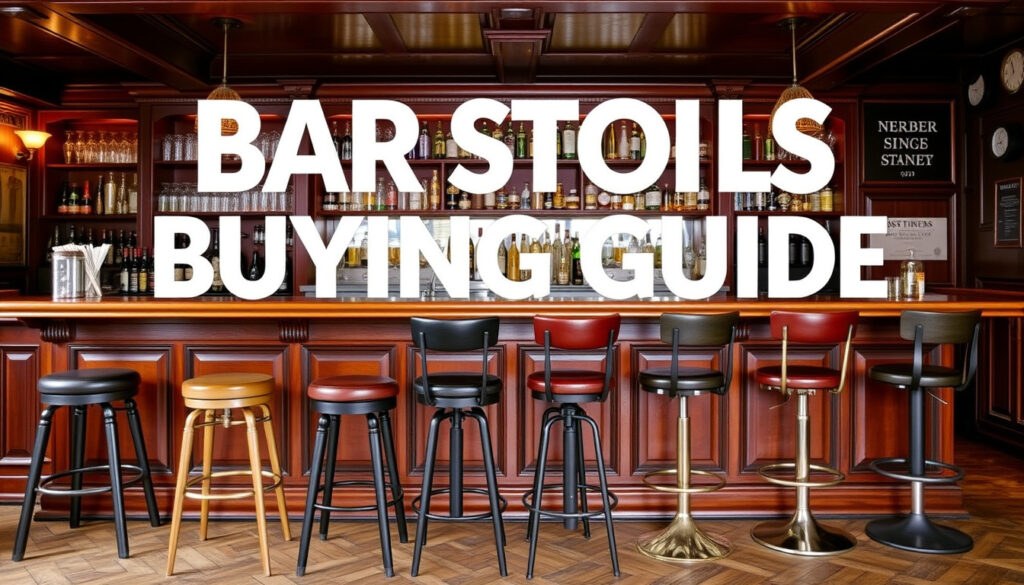
Bar Stool Buying Guide: Heights, Types & Irish Retailers
You’ve just finished the kitchen upgrade, and now comes the finishing touch: choosing the bar stools. Whether you need counter-height seats for a breakfast island or taller stools for a raised bar, getting the height right and picking a material that lasts can make or break the look — standard bar stool seat height is 28 to 30 inches, while counter stools sit at 24 to 26 inches (Kouboo (furniture design retailer)).
Standard bar stool height: 28–30 inches ·
Standard counter stool height: 24–26 inches ·
Common materials: Metal, wood, leather, plastic ·
Average price range in Ireland: €50–€300
Quick snapshot
- Bar stools seat height 28–30 inches for 40–42 inch bars (Johnston Casuals (outdoor furniture specialist))
- Counter stools seat height 24–26 inches for 34–36 inch counters (Kouboo)
- Exact clearance stock levels at Irish retailers like Homestore and More
- Current specific clearance sales on bar stools at IKEA Ireland
- Delivery time in Ireland usually 3–10 days (store policies)
- Measure your counter height, then use this guide to pick the right seat height and style
Key specifications to consider:
| Attribute | Value |
|---|---|
| Bar stool height for kitchen island | Usually 28–30 inches for a 36-inch counter |
| Number of stools per set | Typically 2 or 4 |
| Warranty period | Varies, often 1–5 years |
| Delivery time in Ireland | Usually 3–10 days |
What types of bar stools are available?
Counter stools vs bar stools
The most important distinction is height. Counter stools are designed for surfaces 34 to 36 inches tall and have seat heights of 24 to 26 inches (Kouboo). Bar stools are taller, with seat heights of 28 to 30 inches for standard bar-height surfaces of 40 to 42 inches (Johnston Casuals). Some sources also note a third category for extra-tall pub tables around 46 to 48 inches, recommending a seat height of about 34 inches (Barstool Comforts (specialist stool retailer)).
If you buy the wrong height, you’ll end up with your knees hitting the countertop or your chin hovering above it. Always measure before adding to cart.
Bar stools with backs vs backless
Backless stools tuck under counters when not in use, saving floor space. Stools with backs provide lumbar support and are more comfortable for long meals (Today’s Design House (home furnishings blog)). Swivel models with backs are a popular middle ground.
Sets of bar stools
Most retailers sell bar stools in sets of 2 or 4. A set of 2 fits a small breakfast bar, while 4 works for a large kitchen island. The Range Hood Guide 2025 covers matching your kitchen’s overall style.
The implication: height and space trade-offs are the primary decision drivers for most buyers.
Where can I buy bar stools in Ireland?
IKEA bar stools
IKEA Ireland offers affordable bar stools in styles ranging from sleek metal to wood and upholstered. Their popular INGOLF and TÄLLBYEN lines are often in stock. Prices start around €45 for a basic backless stool.
JYSK bar stools
JYSK stocks Scandinavian-design stools at mid-range prices, including wooden and metal options. They frequently run promotions on sets of 2.
Homestore and More bar stools
Homestore and More carries a broad selection of modern and traditional stools, with many models available in-store across Ireland. Their website shows current inventory for pickup or delivery.
Local Irish retailers (Caseys, EZ Living, Kian)
Caseys Furniture, EZ Living Furniture, and Kian Interiors all stock bar stools and counter stools, with showrooms nationwide. EZ Living promotes a
stylish selection of bar stools, kitchen stools and counter stools
from their product catalog. Deliveries usually take 3–10 days.
Shopping locally means you can test comfort in person, see the true colour and material, and often avoid shipping delays.
The pattern: local retailers give you a tactile advantage that online-only shops cannot match.
How do I choose the right bar stool height?
Measuring your counter or bar height
Use a tape measure from the floor to the top of your counter or bar surface. Standard kitchen counters are 34–36 inches tall; bar-height counters are 40–42 inches (Johnston Casuals). For pub-height tables (46–48 inches), you’ll need a stool with a 34-inch seat.
Standard bar stool heights
Once you know the surface height, subtract 10 to 12 inches for comfortable legroom. That gives you the ideal seat height. For a 36-inch counter, aim for a 24–26 inch stool. For a 42-inch bar, choose 28–30 inches (Today’s Design House).
Adjustable bar stools
Gas-lift adjustable stools can be changed between counter and bar heights, making them ideal for homes with multiple seating areas. They typically offer a 5–7 inch range (TOOU Design (modern furniture brand)).
The catch: adjustable mechanisms add complexity and can wear out faster than solid fixed legs.
What materials are bar stools made from?
Metal bar stools
Metal stools (steel, aluminium) are durable, lightweight, and modern. They’re easy to clean and ideal for busy kitchens or outdoor use if treated against rust.
Wooden bar stools
Wood (mango, rubberwood, oak) brings warmth and traditional style. Solid wood is heavy and long-lasting, while engineered wood is more affordable. Laura James Furniture describes its stools as
crafted from metal, mango wood, rubberwood, leather, and PU leather
.
Leather and upholstered bar stools
Leather or PU leather is stain-resistant and wipes clean easily, making it a top choice for families. Fabric upholstery offers more colour options but may require spot-cleaning.
Plastic and resin bar stools
Plastic stools are the cheapest option and available in many colours. They are lightweight and weather-resistant but less durable than metal or wood.
Metal and plastic are easiest to clean but can feel cold. Wood and leather add warmth but need more care. In a high-traffic kitchen, PU leather or powder-coated metal wins on practicality.
What this means: material choice directly affects daily upkeep and long-term appearance.
Are bar stools with backs better?
Pros and cons of bar stools with backs
Stools with backs support your lower back, making them more comfortable for dining or working at a counter. However, they don’t slide under the counter when not in use, so they take up more visual space.
Compared to backless stools, the main trade-off is comfort versus flexibility. A stool with a backrest also adds a layer of style—many modern designs incorporate a curved metal or wooden back.
Upsides of stools with backs
- Lumbar support for longer sitting periods
- More secure feeling, especially for children or elderly users
- Often available with swivel and upholstered options
Downsides of stools with backs
- Do not tuck away under counters
- Can block counter space when lined up
- Usually heavier and more expensive
When to choose backless bar stools
Backless models are excellent for small kitchens where every inch counts. They can be stored under a counter, and they’re cheaper per unit. A set of 2 backless stools can fit into a breakfast bar that would be too cramped for stools with backs.
If you plan to use the stools for more than 30 minutes at a time, choose a back. For quick breakfasts or occasional guests, backless is fine.
The pattern: backless stools sacrifice support for space, but backs add comfort for extended use.
Comparison table: Counter stools vs Bar stools
Three key differences, one pattern: height dictates everything.
| Feature | Counter stool | Bar stool |
|---|---|---|
| Seat height | 24–26 inches | 28–30 inches |
| Counter/bar height | 34–36 inches | 40–42 inches |
| Typical use | Kitchen island, breakfast bar | Raised bar, pub table |
| Back option | Both available | Both available |
Spec table: Material comparisons
Six materials, one pattern: each excels in a different environment.
| Material | Durability | Maintenance | Price range | Best for |
|---|---|---|---|---|
| Steel / Aluminium | High | Wipe clean | €60–€200 | Modern kitchens, outdoor use |
| Solid wood | Very high | Occasional treatment | €100–€400 | Traditional, farmhouse |
| Rubberwood | High | Wipe clean, reseal every 2 years | €80–€200 | Eco-friendly option |
| Leather / PU leather | Medium–high | Wipe clean | €80–€250 | Family homes, easy care |
| Fabric upholstery | Medium | Spot clean | €60–€180 | Dining areas, soft feel |
| Plastic / Resin | Low–medium | Wipe clean | €30–€80 | Budget, kids’ areas, outdoor |
Step-by-step: How to measure for bar stools
- Measure the height of your counter or bar surface from floor to top.
- Subtract 10–12 inches from that measurement to find your ideal seat height (Diiiz (home decor blog)).
- Choose a stool with a seat height within 1 inch of that number.
- Check the seat depth (usually 16–20 inches) so your knees don’t hit the counter.
- Allow at least 3 feet of clearance behind the stool for walking (Johnston Casuals).
Summary
Choosing the right bar stool comes down to three measurements: your counter height, the stool seat height, and the space you have. Counter stools (24–26 inches) fit standard islands; bar stools (28–30 inches) suit raised counters. Materials vary from easy-clean metal to warm wood, and backless models save space while stools with backs add comfort. For Irish shoppers, the choice is clear: buy from a local retailer you can visit, or order online for convenience—but always measure twice before you click.
aosom.com, reddit.com, designersguild.com, voguedecor.com, aspirehomefurnishings.ie, restaurantfurniture.net
For a thorough overview of options and considerations, see this complete buying guide for Irish homes from Sunday Report.
Frequently asked questions
How to clean bar stools?
Wipe metal and PU leather with a damp cloth. Wood may need a mild cleaner and occasional polish. Fabric should be vacuumed and spot-cleaned.
Can bar stools be used outdoors?
Only stools made from weather-resistant materials like powder-coated metal, resin, or marine-grade wood should be left outdoors. Most indoor stools will rust or warp.
What is the weight capacity of a bar stool?
Most standard bar stools support up to 250–300 lbs (113–136 kg). Check the manufacturer’s specification for the exact limit. TOOU Design provides weight ratings for their collections.
Do bar stools need assembly?
Most bar stools require some assembly—typically attaching the legs or seat. Basic tools (Allen key, screwdriver) are usually included, and assembly takes 15–30 minutes.
How to prevent bar stools from scratching floors?
Use felt pads or rubber caps on the stool legs. Many stools come with plastic glides; replace them with soft felt pads for hardwood or tile floors.
Are bar stools suitable for tall counters?
Yes—if the counter is 40–42 inches tall, use standard bar stools. For counters taller than 44 inches, look for extra-tall stools with seat heights of 34 inches or more (Barstool Comforts).
What is the best material for easy maintenance?
Metal, PU leather, or plastic are the easiest to clean. Wood and fabric require more care but offer a premium look. For busy kitchens with kids, PU leather strikes the best balance.
Related reading: Range Hood Guide 2025 · TV Wall Mounting Cost Ireland 2025
More related posts
 Water Purification System Whole House – Top Picks and Costs
 Dax Shepard Biography: Sobriety, Family, Wife Kristen Bell & More
 Breaking Bad Jesse Pinkman: Full Arc & Fate Explained
 Dairy Queen Ice Cream Cake: Ingredients, Prices & Complete Guide
 Lane Hutson: Biography, Stats, Contract, and FAQs (2025)
 Surplus Furniture and Mattress Warehouse: Reviews, Locations, Deals
 Celeste Rivas Hernandez: Latest Verified Information and Case Timeline
 Tig Notaro: Her Gender, Kids, and Split with Cheryl Hines